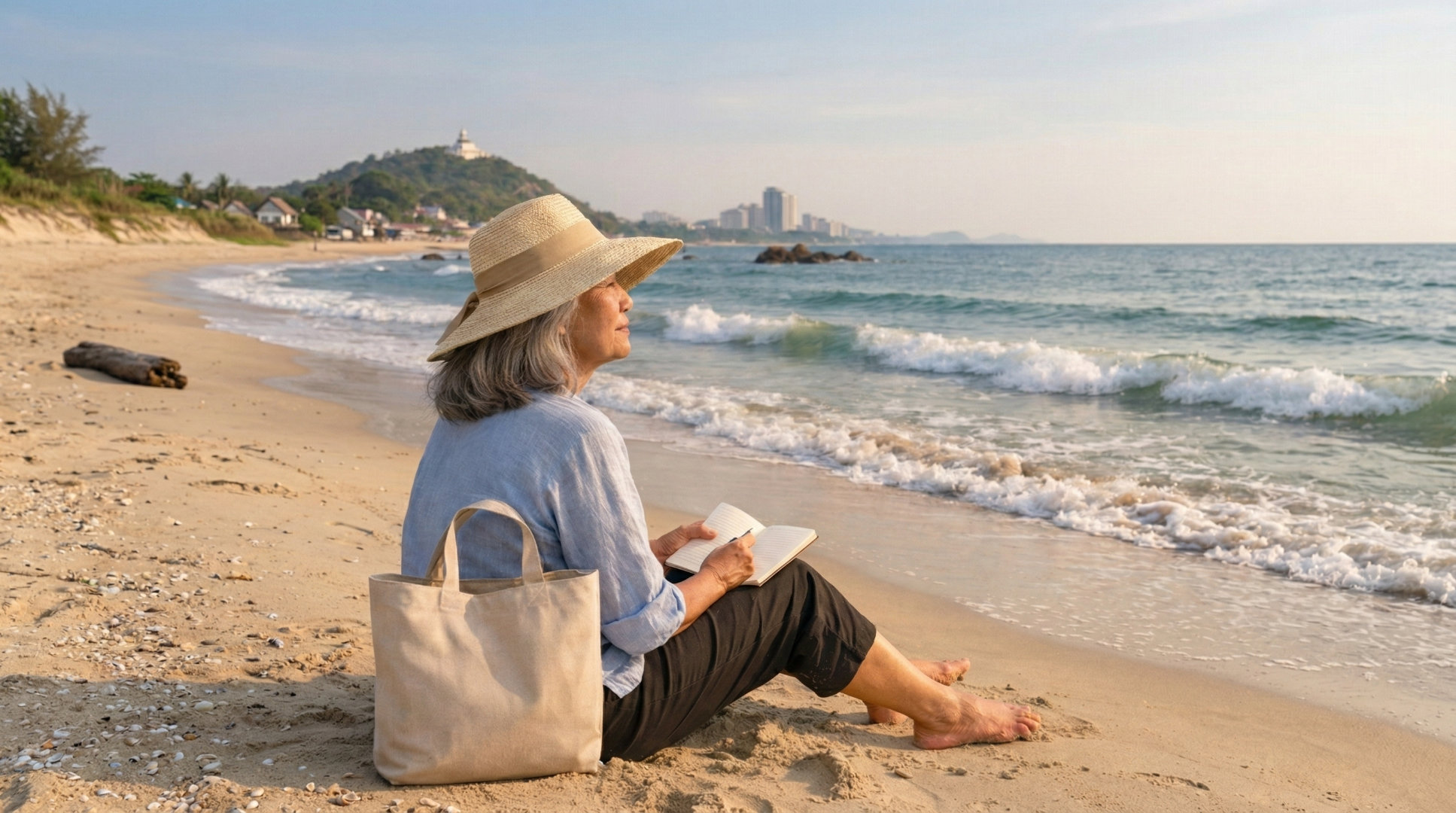
“The Long Road Home” began fifty-four years ago, when the word “home” meant two different things to me. Home was America—the one I built for myself from scratch. Home was Thai culture, traditions my relatives no longer practiced, and a language I no longer spoke.
For five decades, I mourned the loss of my first home until I sat down and wrote this book.
You may be wondering how I went from wanting to write a book to doing it. For me, it didn’t start with an outline or character development. It started with emotion. The immigrant’s confusion of not belonging here nor there. What if we went back? What if we visited our motherland, but everything felt… foreign? How would we react? Those questions bubbled in my heart and brain for years until I finally took the time to listen.
Structuring my story required a lot of thought. There were moments in my life that wrote themselves. They fell right onto the page. I remember the flavor of my grandma’s khao soi, a spicy egg noodle dish, and the sensation of the monsoon’s arrival with its intense heat and humidity. You’d think I would hate that weather. But I loved it. Loved hearing the Thai language everywhere I went. Hearing the tones and pitches that made someone agree or disagree with you. Those parts of writing my story came easily.
There were moments when I sat down, and nothing came out. I couldn’t figure out how to word the insecurities of feeling like a stranger in your own country. Or the disappointment of searching the faces of cousins who are only old enough to remember you as the small child who left Thailand and never looked back. Writing this book made me dig through layers of my identity. Face emotions I didn’t know I was holding onto, like grief and loss. And also rediscover parts of myself I thought I had lost forever.
Sometimes it was lonely. Was anyone else going to relate to this story? Will my struggles resonate with others? All of those questions crept in, but I pushed through. Why? Beauty existed in that deep excavation.
Some of my favorite moments were learning about Thailand again. I hadn’t realized how much I had forgotten about my homeland until I began researching. Not only major historical events but also cultural ones are important. What changed while I was gone? I read about foods I enjoyed as a kid and researched their origins. History classes, I recall, became my favorite hobby while writing this book. It was my way of narrowing that quarter-century gap.
If one thing remains after reading this book, it is that writing is truly a homecoming. You embark on a journey through forests, both metaphorical and literal. You discover things about yourself that you didn’t know were missing. This could relate to your personal connection with your home country, or perhaps you’ve always lived in your birthplace but pondered the feeling of returning home. Either way, I hope you’ll join me.